GHK-Cu Pen

How it works Certificate on every batch
What it is

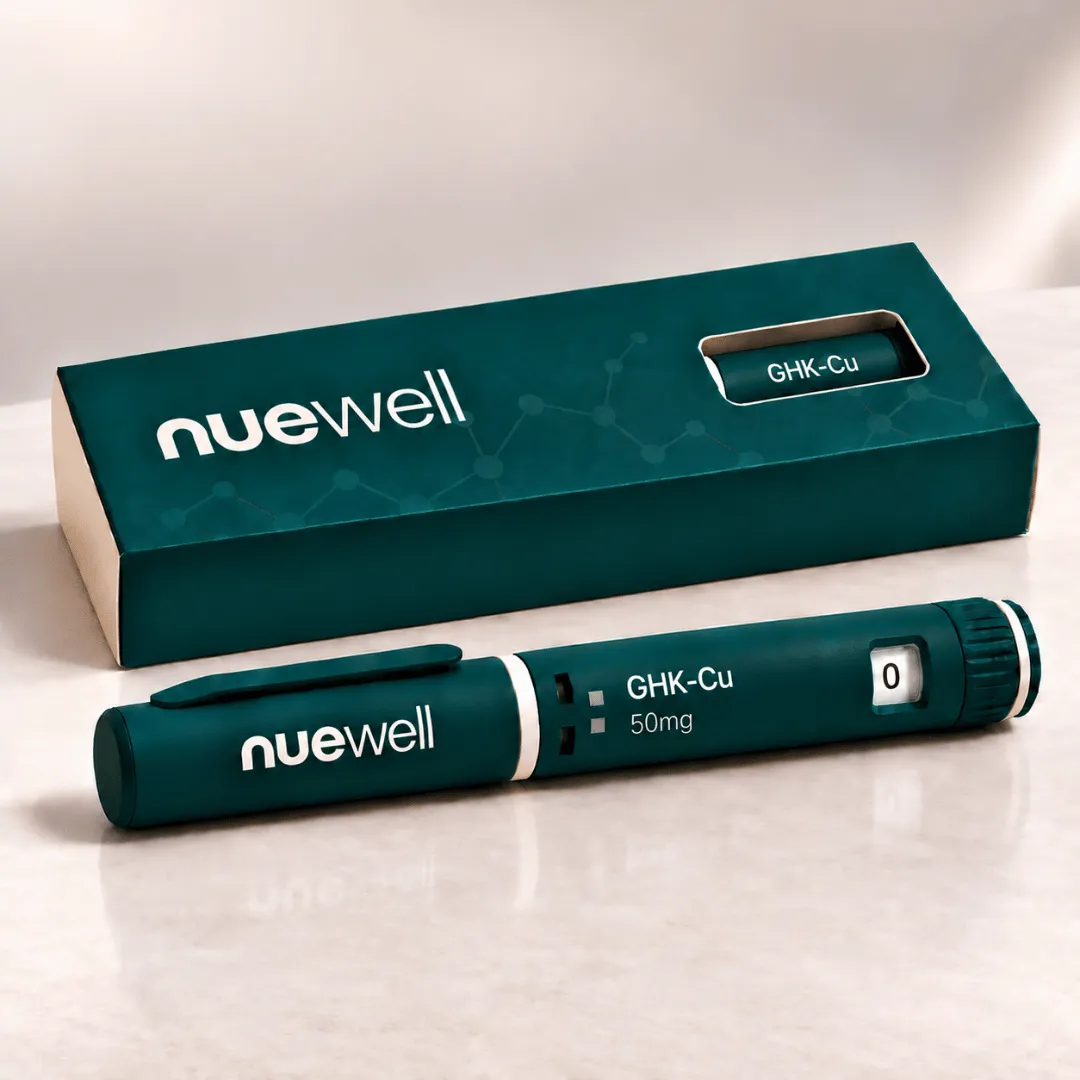
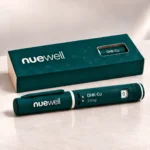
A three amino acid sequence, glycyl histidyl lysine, bound to a copper ion. It occurs naturally in blood plasma and the copper is what makes the solution blue. This pen holds 50mg, already in solution.

Why it is being studied

Skin and collagen. The largest body of work, most of it topical or in cell culture.

Copper carrier. The tripeptide binds copper tightly and the complex is what gets studied.

Falls with age. Reported plasma levels drop by roughly half between age 20 and 60.

Good to know
50mg pen store 2–8°C needle included research use only

Mostly preclinical research. Human data is limited, and nothing here establishes an effect in people.

Original price was: £330.00.Current price is: £297.00.

How to Use

Before you start
Check the batch number on the pen against the certificate of analysis on this page. If they don't match, don't use the pen. Contact us and we'll replace it.

Inspect the solution through the window. It should be clear and free of particles. Copper peptide solutions are blue, and that colour is expected. Cloudiness, discolouration or visible matter means the pen should not be used.

The pen
Each pen arrives pre-filled, in solution, at the concentration on the label. There is nothing to reconstitute, no bacteriostatic water to add and no concentration to calculate.

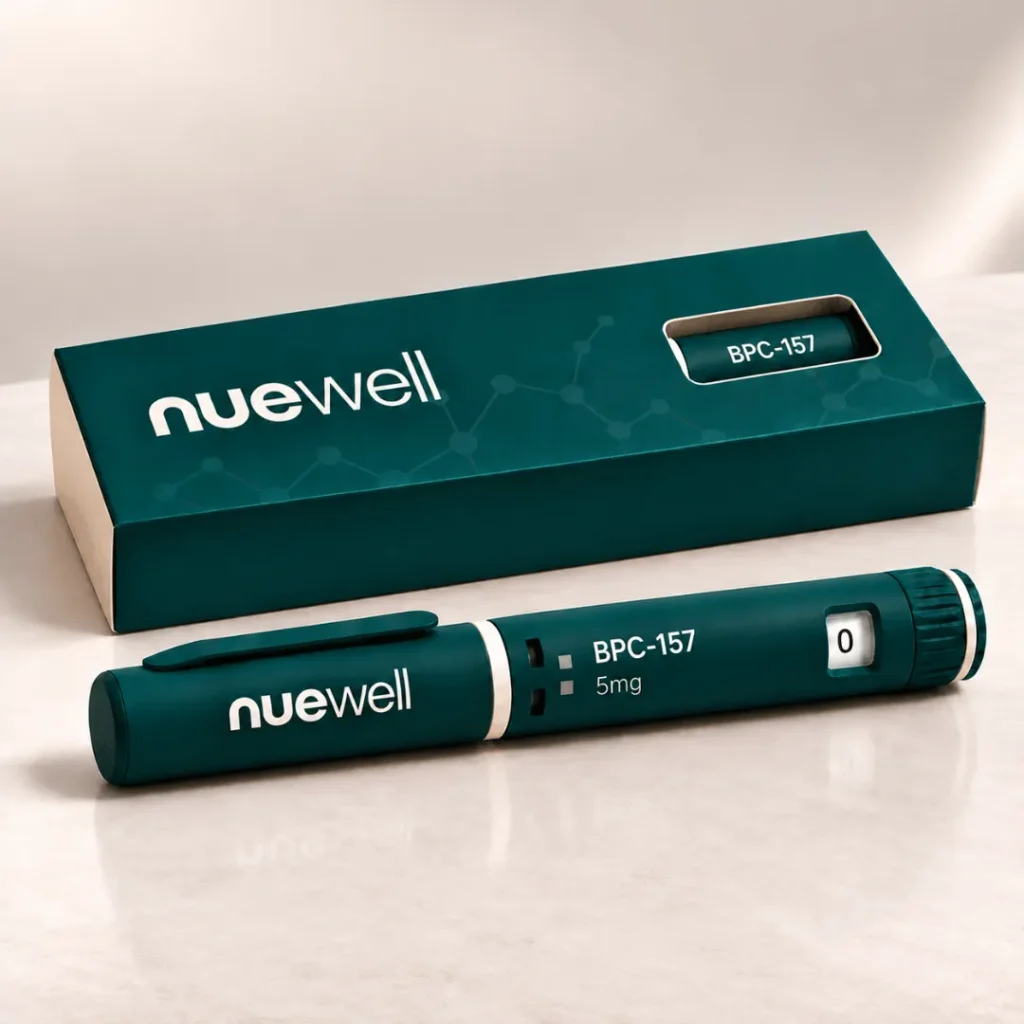
The dose counter is mechanical. Turning the dial advances it one increment at a time, with an audible click per increment, and the number in the window is the amount set. The counter cannot be turned past the volume remaining.

Pens take standard pen needles, supplied with your order. Fit a fresh one each time and remove it afterwards. Leaving a needle attached lets air into the cartridge and can affect what the counter reads next.

Storage
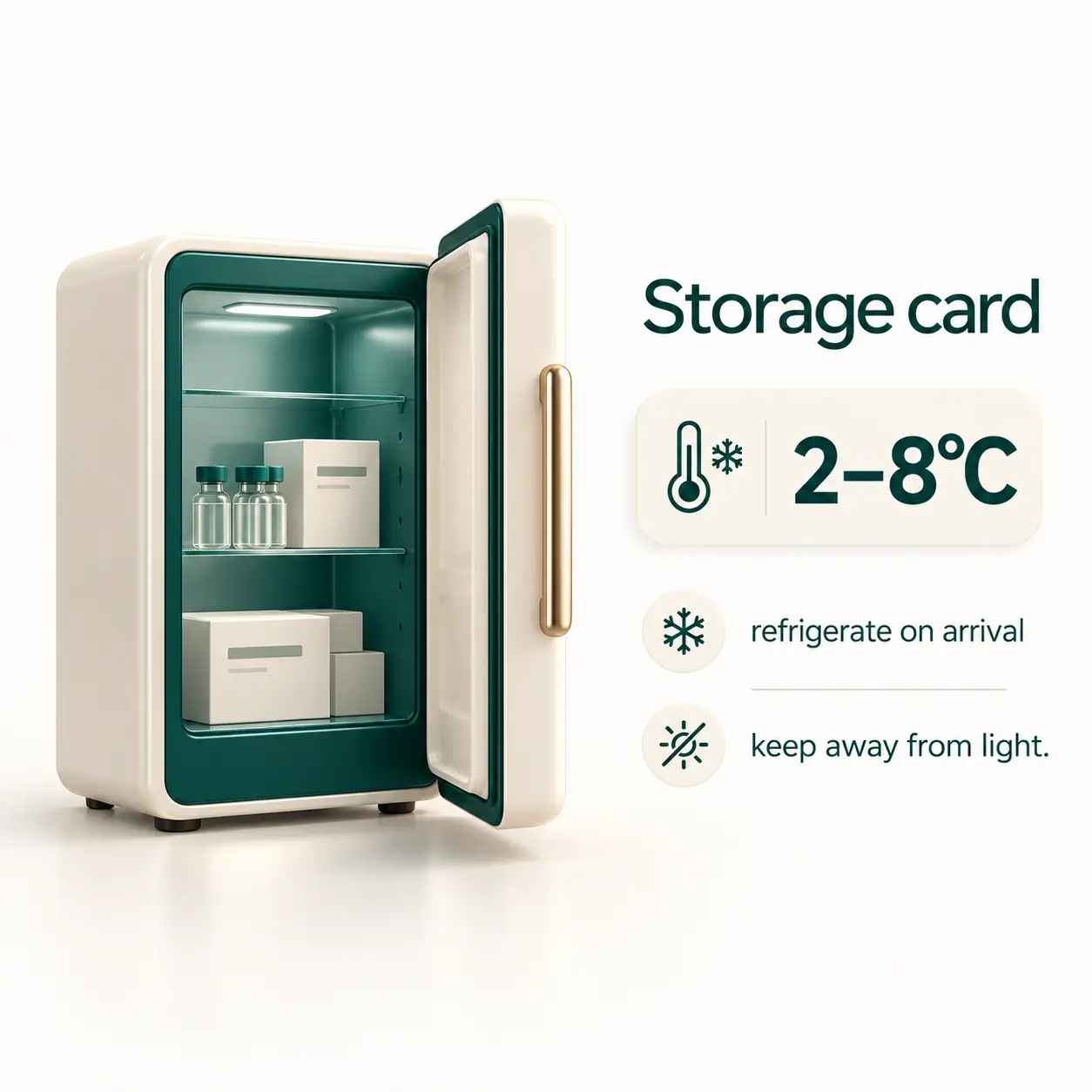
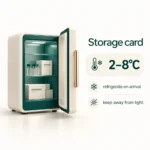
Refrigerate at 2–8°C on arrival and keep the pen in its carton. Peptides in solution degrade faster in light, and copper peptides faster still.

Do not freeze. Freezing damages peptides in solution and the pen cannot be relied on afterwards, whatever it looks like.

Return the pen to refrigeration between uses once the seal is broken. A cold pen is stiffer to dial, so leaving it out for a few minutes beforehand makes the counter turn more smoothly.

Disposal
Used needles go into a sharps container, not household waste. UK pharmacies and local councils both supply them, and most councils collect full ones on request.

Supplied for laboratory research use only. Not for human or veterinary use, and not a medicine. Nothing on this page describes a protocol, a schedule or an application, and none should be inferred.


Testing & Quality Standards

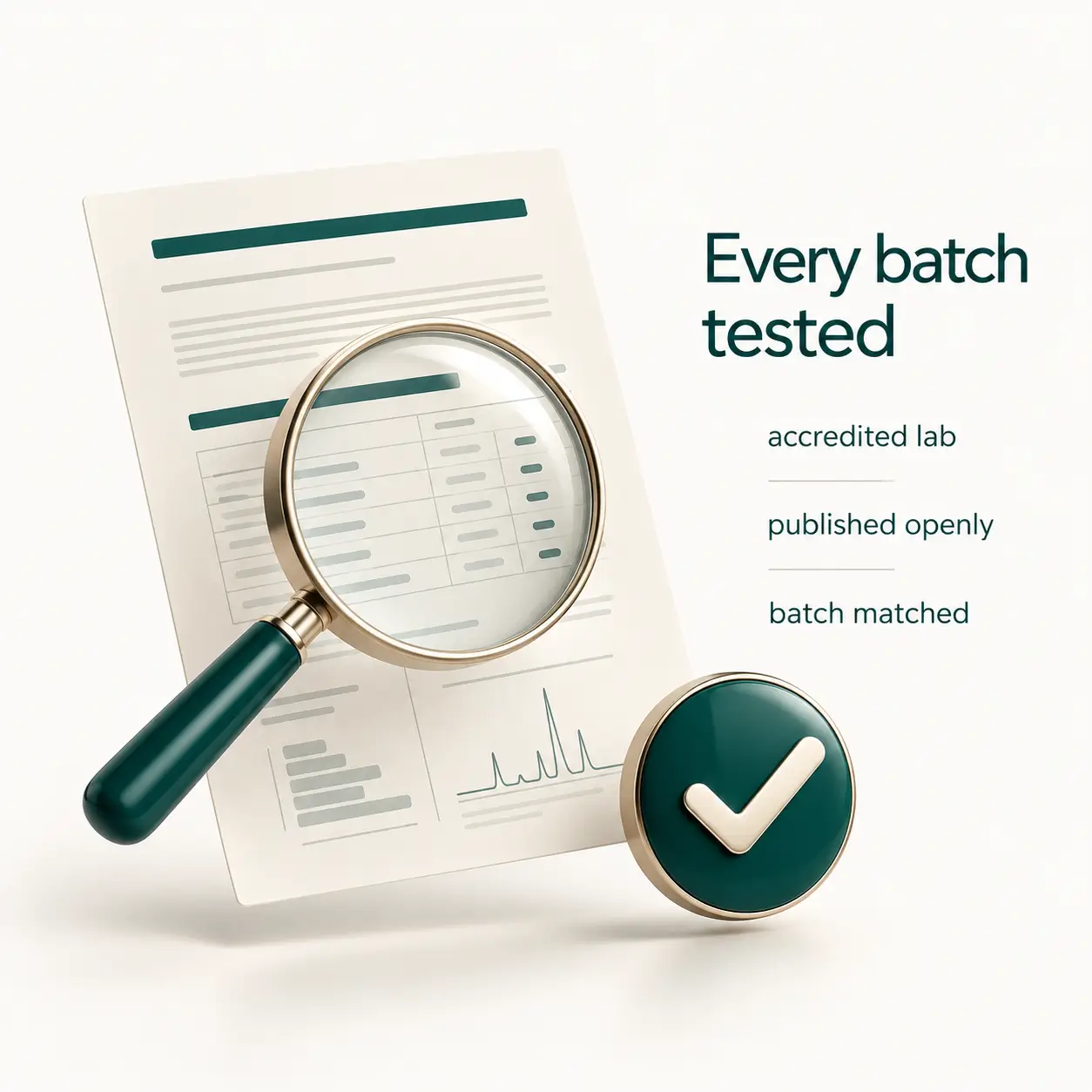
Every batch is tested before release
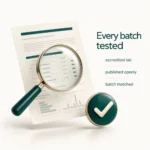
No batch reaches our shelves without a report from an independent laboratory. Testing is done by a third party with no commercial interest in the result, not by us and not by the manufacturer.

What the certificate shows
Identity, confirming the compound is what the label says it is. Purity, measured by high-performance liquid chromatography and reported as a percentage. The date of testing and the batch number the result applies to.

How to check it yourself
Every pen carries a batch number, and the certificate on this page carries the same number. If the two don't match, something has gone wrong in our dispatch and we want to hear about it. We'll replace the pen.

Certificates are published as the laboratory issued them. We don't retype results, summarise them or crop the report.

Cold chain
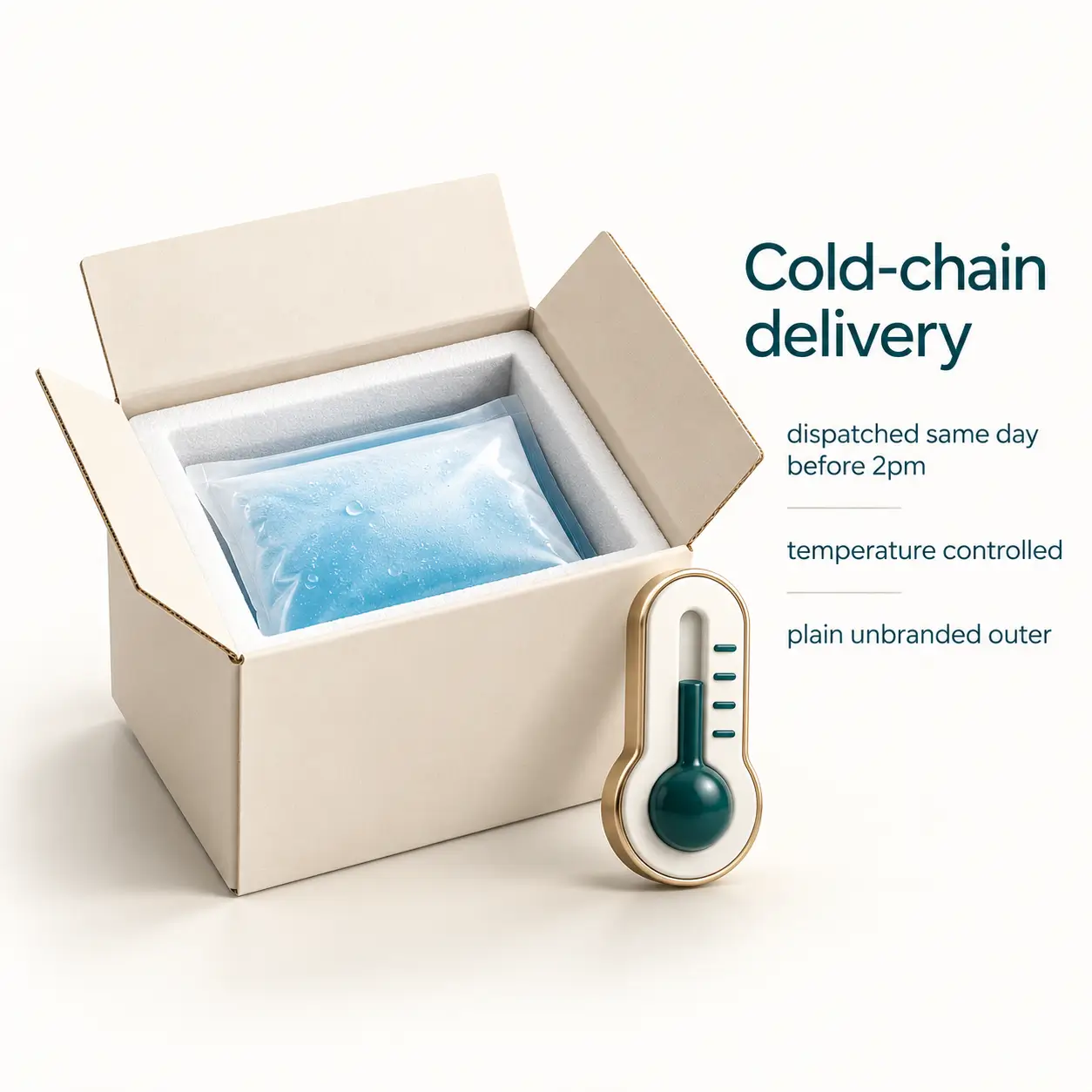
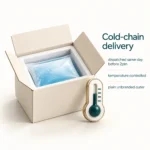
Stock is held refrigerated and ships in insulated packaging with a cold pack. Orders are dispatched so they travel over the shortest practical window rather than sitting in a depot over a weekend.

If a pen arrives damaged, warm, or not matching its certificate, contact us within 48 hours of delivery and we'll replace it.

Frequently Asked Questions

Why is this pen 50mg when most are 5mg?

GHK-Cu is studied at higher amounts than the signalling peptides in the rest of the range, and a copper ion accounts for part of the mass. Milligram figures are not comparable between compounds.

Why is the solution blue?

The copper. GHK-Cu and AHK-Cu are the two copper complexes in our range and both are blue in solution. A blue tint in these is expected; in any other pen it is not, and that pen should not be used.

Most of the research is topical. Does that transfer?

That is exactly the open question. The skin literature is the largest body of work on this compound, and applying a finding from topical use to any other setting is an assumption rather than a result.

Is this prohibited in sport?

It is not named on the World Anti-Doping Agency prohibited list, but WADA also bans substances with no current approval for human therapeutic use under S0. Check the current list yourself if you are tested.

How many doses are in a 50mg pen?

That depends entirely on the increment you dial, so there is no single answer. The counter shows what is set and the pen cannot be turned past the volume remaining.

Store at 2–8°C

Refrigerate on arrival and keep the pen in its carton, away from light.

Cold-chain shipped

Insulated packaging with a cold pack, in a plain outer box with no reference to the contents.

Never freeze

Freezing damages peptides held in solution. A frozen pen cannot be relied on afterwards.

Third-party tested

Every batch tested by an independent laboratory for identity and purity by HPLC.

Batch traceable

The batch number printed on the pen matches the number on its certificate.

Certificate on the page

Published exactly as the laboratory issued it. Not summarised, not on request.

OVERVIEW

Product Description

GHK-Cu is the copper complex of the tripeptide glycyl-L-histidyl-L-lysine. The copper ion is part of the molecule rather than an additive, which is why the solution carries its characteristic blue colour. That colour is expected and is not a sign of contamination.

There is nothing to reconstitute. The compound arrives already dissolved at a known concentration, so there is no bacteriostatic water to add, no vial to swirl and no concentration to calculate. The dose is set on a mechanical counter that clicks as it turns, and the pen takes standard pen needles.

Every batch is tested by an independent laboratory before release. The certificate of analysis for this batch is published on this page and records identity, purity by HPLC and the date of testing. The batch number on the pen matches the batch number on the certificate.

Store refrigerated at 2–8°C and keep the pen in its carton. Copper complexes are particularly light-sensitive, so return the pen to its box between uses. Do not freeze.

Ships in insulated packaging with a cold pack, in a plain outer box with no reference to the contents. Supplied for laboratory research use only. Not for human or veterinary use, and not a medicine.

Mechanism

How does it work

The tripeptide binds copper with high affinity, and it is the complex rather than the bare peptide that appears in the research. Copper is a cofactor for lysyl oxidase, the enzyme that cross-links collagen and elastin, and for one form of superoxide dismutase.

Beyond carrying copper, gene expression studies in cultured cells report changes across a broad set of genes on exposure to GHK-Cu. Most of that work is in vitro or applied to skin, which is a different setting from the one this pen represents.

That is the mechanism as described in the literature. How much of it translates beyond the laboratory is not established, and we make no claim that it does.

In the box

What’s included

  • One pre-filled GHK-Cu pen, 50mg total content, supplied in solution
  • Pen needles
  • Storage and handling card
  • Certificate of analysis, published on this page
  • Insulated packaging with a cold pack
Details

Specifications

SKU
NW-P-GHK-50
Format
Pre-filled pen, in solution
Total content
50mg
Compounds
GHK-Cu (glycyl-L-histidyl-L-lysine copper)
Storage
Refrigerate at 2–8°C
Batch number
NW-GHKC-260818-A